
Water Radio
CO-OPt Research + Projects
Lubbock, TX
March 1 - May 9, 2025
Reception: Saturday, March 1, 5-8pm, with artist talk at 6:30pm
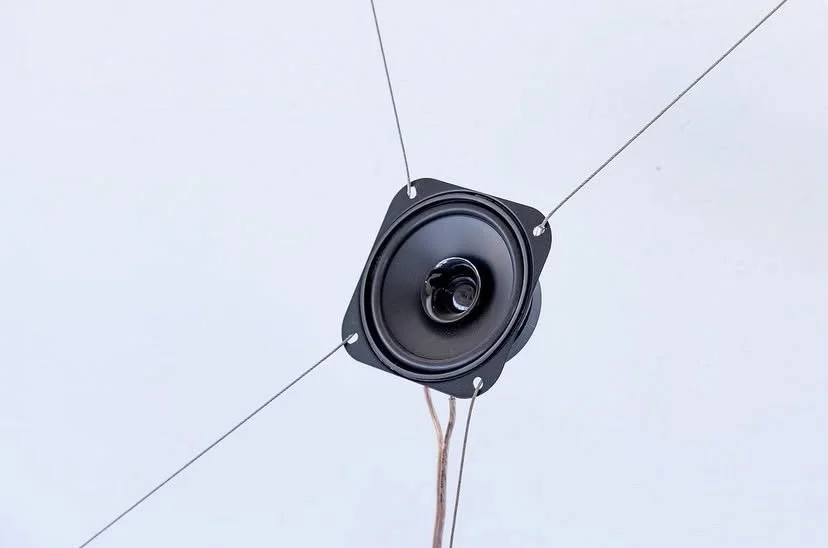
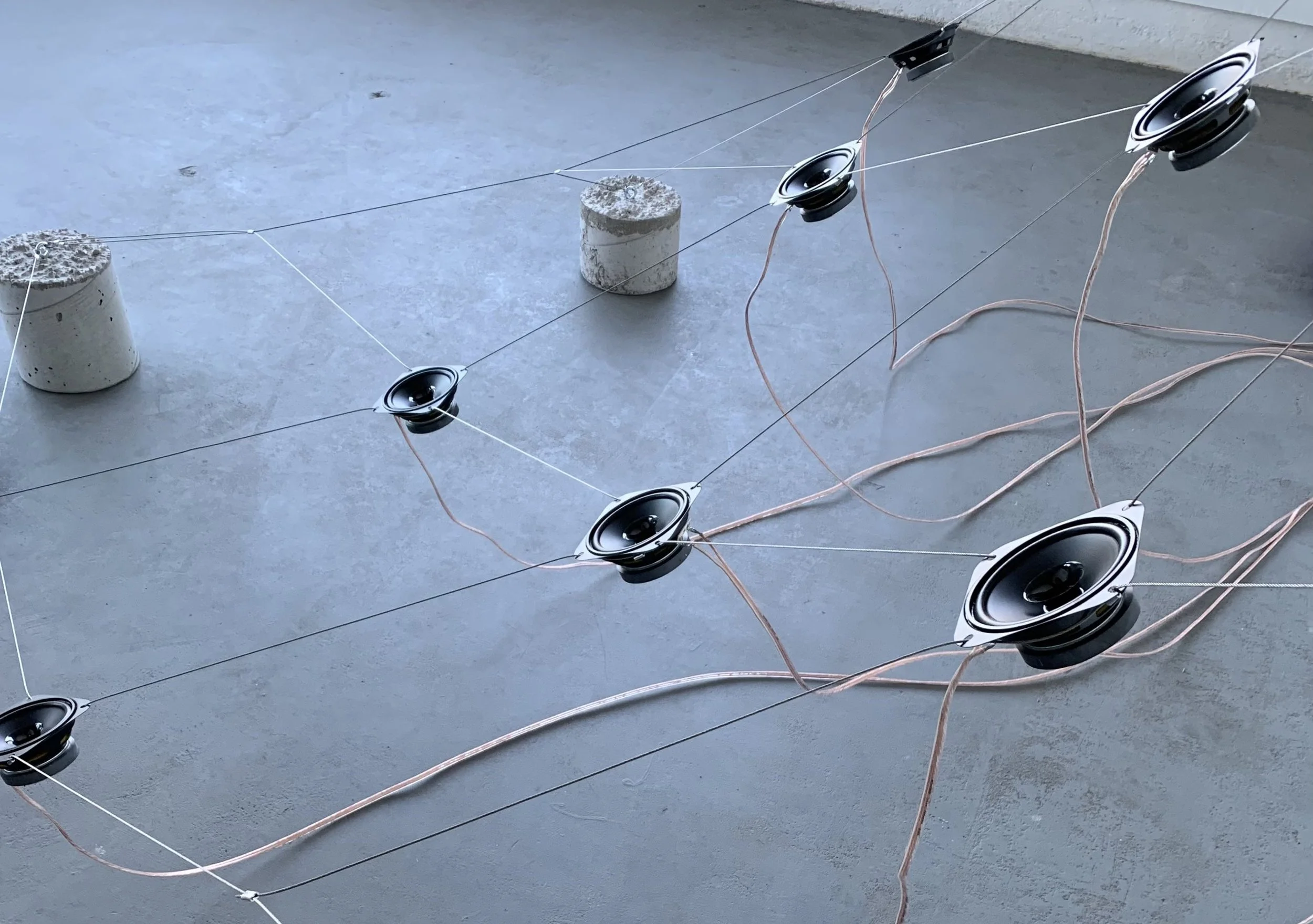
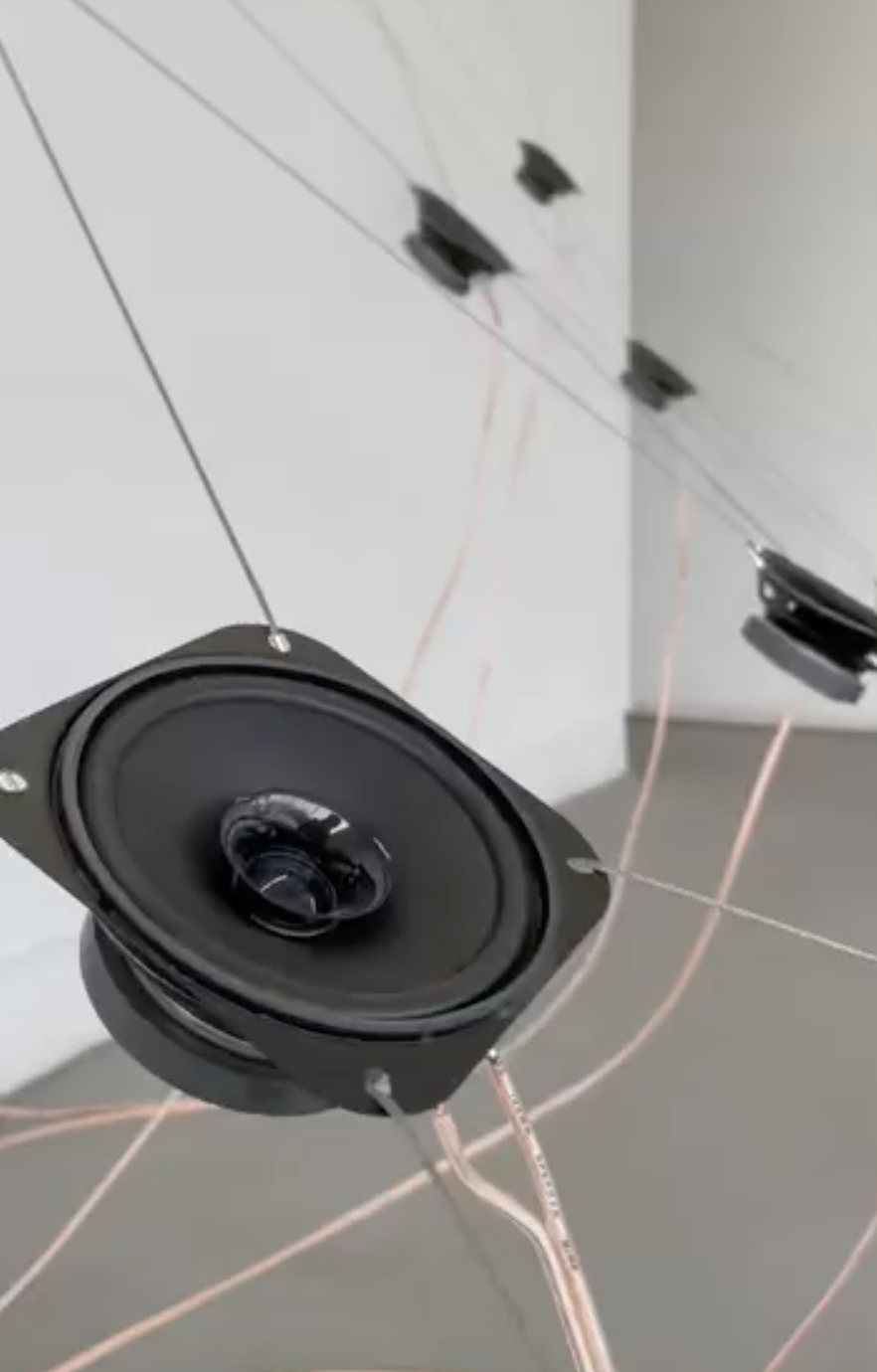
CO-OPt Research + Projects presents Water Radio, a solo exhibition of work by artist Audra Wolowiec created in collaboration with Texas Tech University students from across the College of Visual and Performing Arts.
Wolowiec’s new sound installation and notational scores respond to the Ogallala Aquifer, the largest in the United States and our region’s primary source for water. A subterranean water table formed by layers of porous material and spanning eight states, the Ogallala Aquifer creates its own aqueous boundary, and is rapidly depleting. Through a series of participatory workshops and interviews, Water Radio adopts an embodied approach to understanding our entanglement with the water table, inviting participants to respond to our complex relationships with water—how we are connected to water, and how water connects us.
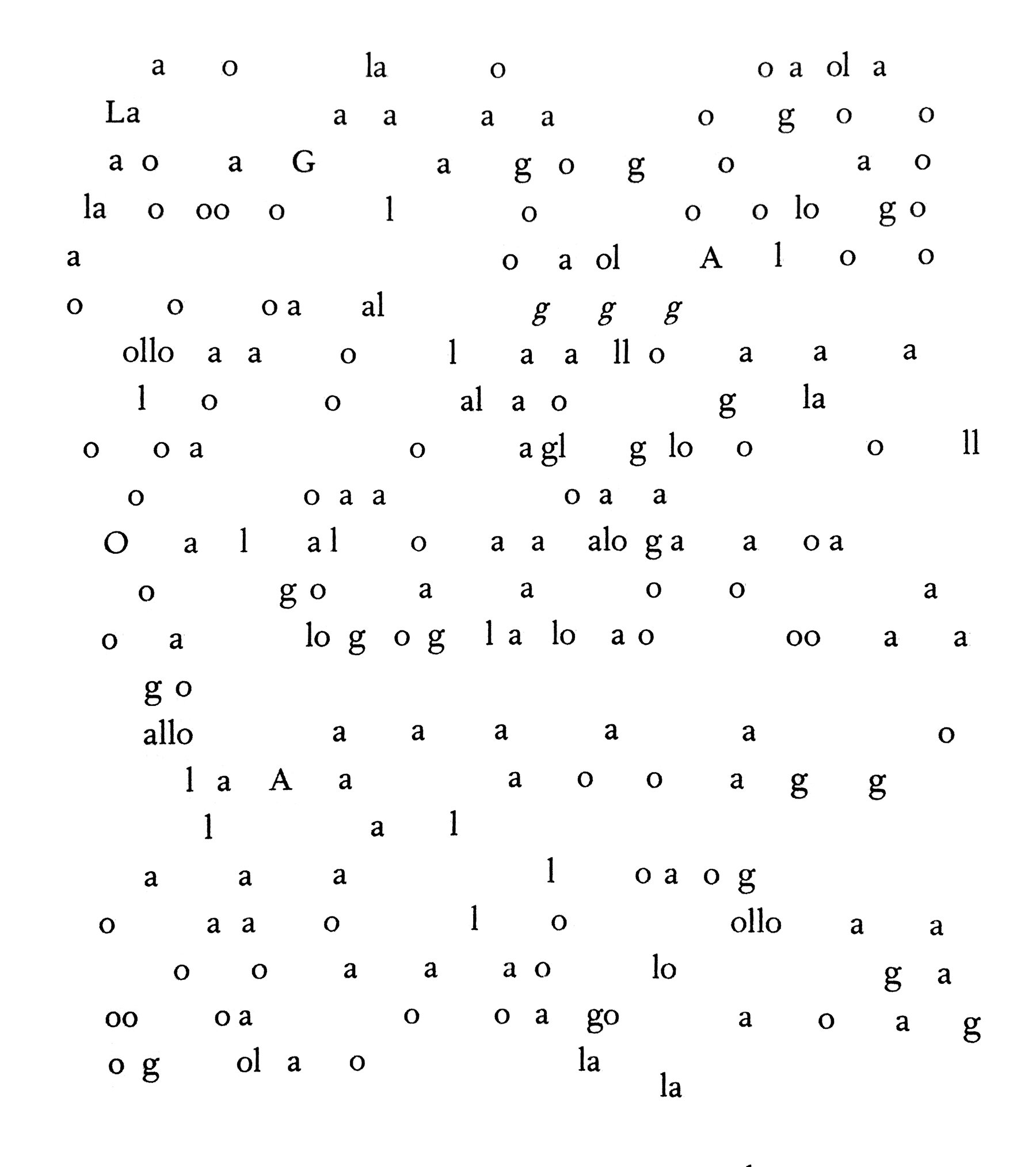
The sound recordings and visual scores for this exhibition were created during workshops with students from the College of Visual and Performing Arts at Texas Tech University. Writing for the visual scores was mined from Underland by Robert Macfarlane, Saturation: An Elemental Politics chapter by Avery Slater, and a Groundwater Water Atlas of the region.
Voices: Clara Byom, Mira Bagriyanik, Felipe Celis Gil, Colt Compton, Nyla Droz, Justin Radcliffe, Cameron Martin, Laura McCord, Josh Rapp, Constanza Romen, Heather Warren-Crow, Seth Warren-Crow.
The sounds will be aired on CO-OPt’s low-power radio station KOOPt 89.9FM, transmitted from the gallery into public space. Listen to an excerpt:
Scores oscillate between a record of the past and a guide to the future. They document an event that already exists in some form, if sometimes only in the artist’s mind, and provide instructions on how a version of that event can be (re)enacted, if sometimes only in the reader’s mind. The score continually wedges itself, sometimes uncomfortably, in the sliver of space between the past and the future that we like to call the present. The word score comes from Old Norse and means to make an incision. A score is also twenty items, let’s say, sheep, their numbers marked with a line scratched into wood. A score can be settled, can register a debt.
On Scores, A Fragment
Heather Warren-Crow and Andrew Weathers
Wolowiec’s residency at Texas Tech is supported with funds from the Ryla T. & John F. Lott Endowment for Excellence in the Visual Arts administered through the TTU School of Art. Special thanks to Heather Warren-Crow, students at Texas Tech, and the artists at CO-OPt.
